
Menu
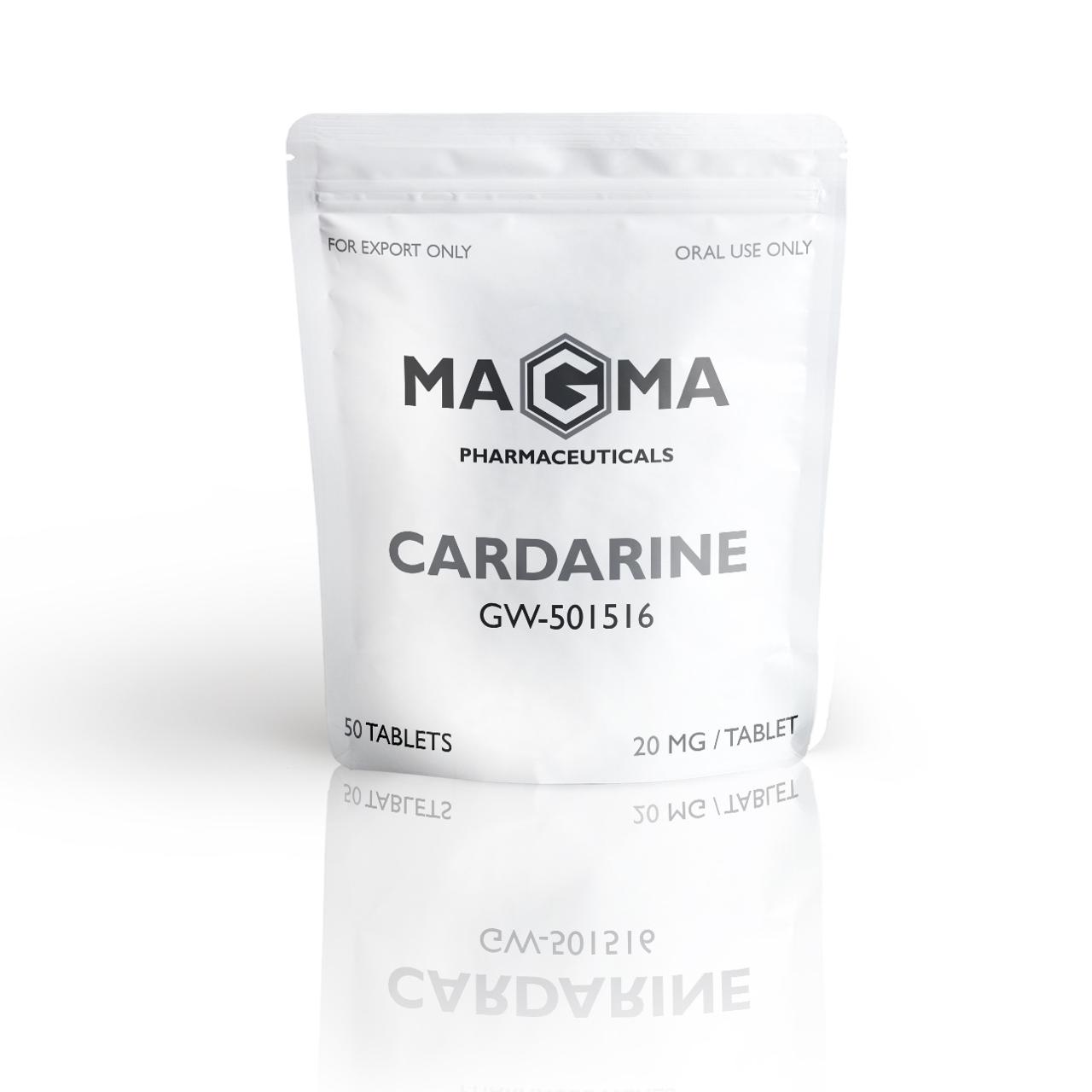
Verify if your CARDARINE is genuine.
WHAT IS CARDARINE?
In the ever-evolving landscape of fitness, Cardarine emerges as a remarkable contender, capturing the interest of athletes and fitness enthusiasts alike. As a groundbreaking compound, it promises to enhance stamina and optimize fat burning, making it a desirable addition to any fitness regimen. But what exactly are the benefits and risks associated with this powerful agent? Understanding Cardarine could transform not just your workout routine but your overall fitness journey.
Whether you’re aiming to push personal boundaries, achieve quicker recovery times, or simply elevate your performance, this deep dive into Cardarine will equip you with essential insights.
Often thought of as a SARM (selective androgen receptor modulator), Cardarine is actually classified under a class of drugs called peroxisome proliferator-activated receptor (PPAR) agonists.
Cardarine serves as a metabolic modulator. Compounds like Cardarine rely on cellular energy expenditure and are believed to increase fat oxidation and improve endurance performance.
“GW501516 activates the PPARδ pathway, boosting oxidative capacity and enhancing lipid metabolism, which translates to increased endurance and reduced fat stores.”
— Oliver et al., 2003, Cell Metabolism
Cardarine is therefore an attractive aid for bodybuilders aiming to promote fat loss and attain better body composition.
THE SCIENCE BEHIND CARDARINE: HOW IT WORKS
Cardarine, also known as GW501516, is a PPAR-delta (PPARδ) agonist. It was originally developed by Ligand Pharmaceuticals and GlaxoSmithKline (GSK) in the 1990s to treat metabolic and cardiovascular diseases such as diabetes and hyperlipidemia.
PPARδ is a nuclear receptor that regulates fatty acid oxidation and energy metabolism. When activated, Cardarine promotes:
Fatty acid oxidation
Enhanced glucose uptake
Improved endurance
Better lipid profiles
“PPAR-delta activation by GW501516 promotes a shift toward fatty acid utilization in skeletal muscle, sparing glycogen and enhancing endurance.”
— Evans et al., 2004, Proceedings of the National Academy of Sciences
By increasing time to exhaustion and using fat over glucose as fuel, Cardarine prolongs exercise capacity, improves energy efficiency, and enhances endurance—without the use of stimulants.
Its mechanism of action involves the modulation of gene expression, shifting energy production toward fat-burning pathways, even at rest. The result is:
Increased mitochondrial activity
Greater cellular energy output
Enhanced exercise endurance and stamina
IS CARDARINE A SARM?
Although frequently grouped with SARMs, Cardarine is not a SARM. Instead, it is a PPAR-delta agonist, which affects metabolic regulation, not androgen receptors.
“Cardarine is often misclassified as a SARM but functions through PPAR-delta activation, affecting metabolism rather than muscle growth directly.”
— Xu et al., 2004, Molecular Endocrinology
It entered clinical development for metabolic and cardiovascular diseases due to its positive effects on cholesterol, insulin, and lipid levels.
However, development was discontinued in 2007 after animal studies found long-term carcinogenic effects in multiple organs, including the liver, bladder, ovaries, and testes.
“Rodents administered GW501516 over a two-year period developed a range of aggressive cancers, prompting GlaxoSmithKline to halt development.”
— U.S. National Toxicology Program, 2007 Toxicology Report
GSK halted Phase III trials, citing the need for a 70-year human trial to demonstrate safety across a lifetime.
KEY BENEFITS OF CARDARINE
EXERCISE PERFORMANCE
Cardarine is widely recognized for improving exercise performance, particularly in aerobic capacity and endurance. It allows users to train longer without fatigue by promoting fat usage over glucose.
“Mice treated with GW501516 increased their running time by over 75% compared to controls.”
— Ronald M. Evans, 2008, Cell
After eight weeks of administration, mice could run nearly 90 minutes longer than untreated animals, indicating massive endurance enhancements.
WEIGHT LOSS
Cardarine reprograms metabolic signaling, telling the body to burn fat instead of carbohydrates. This leads to:
Increased lipolysis
Reduced reliance on glucose
Enhanced caloric expenditure
“GW501516 upregulates genes involved in fatty acid transport and oxidation, making it highly effective for body fat reduction.”
— Barish et al., 2006, Nature Medicine
Because it spares muscle mass, it’s ideal for athletes seeking fat loss without sacrificing lean tissue.
IMPROVES RECOVERY
Cardarine enhances mitochondrial biogenesis and cellular repair, reducing oxidative stress and improving recovery time.
Its anti-inflammatory properties may reduce:
Muscle soreness
Joint pain
Post-workout fatigue
This enables more frequent training with shorter recovery windows, ideal for competitive athletes.
IMPROVES ENDURANCE
By favoring fat metabolism and sparing glycogen, Cardarine helps users delay hitting “the wall”—a state of depleted energy. This supports:
Longer training sessions
Greater exercise volume
Enhanced VO2 max performance
METABOLIC SYNDROME SUPPORT
Cardarine has shown promise in supporting those with metabolic syndrome, improving:
Insulin sensitivity
Triglyceride levels
HDL/LDL cholesterol ratios
“GW501516 improved markers of metabolic disease including plasma glucose and triglycerides in animal models.”
— Lehmann et al., 2004, Nature Reviews Drug Discovery
While discontinued due to long-term safety concerns, its initial human trials demonstrated favorable effects on metabolic health.
POTENTIAL RISKS AND SIDE EFFECTS OF CARDARINE
While Cardarine offers numerous benefits, it is crucial to be aware of the potential risks and side effects associated with its use. One of the primary concerns surrounding Cardarine is its association with cancer development in animal studies. Early research on rodents revealed an increased incidence of cancerous tumors in multiple organs when administered at high doses over extended periods.
“GW501516 administration to rodents for two years caused increased incidences of cancer in several tissues, including liver, bladder, and stomach.”
— U.S. National Toxicology Program, 2007, Toxicology Report
It’s important to note that the doses used in these studies were significantly higher than typical human use, but the potential risk of cancer remains a serious concern.
Another risk is the lack of long-term human studies. Most research available is based on animal models, and while results are promising in terms of endurance and fat loss, we still lack the clinical data to confirm safety in humans.
“Despite strong preclinical outcomes, GW501516 was abandoned in Phase II due to tumorigenesis in long-term rodent studies and lack of adequate human safety data.”
— Lehmann et al., 2004, Nature Reviews Drug Discovery
Because Cardarine has not been approved by the FDA, it has not undergone the rigorous testing required for legal human consumption.
Some users also report mild side effects, including:
Headaches
Nausea
Gastrointestinal discomfort
These symptoms are usually temporary, but if they persist, Cardarine use should be discontinued. Consulting a healthcare professional before starting is advised, especially for those with pre-existing medical conditions.
CARDARINE VS. OTHER FITNESS SUPPLEMENTS
GENETIC VS. STIMULANT-BASED ENERGY
Unlike traditional stimulants like caffeine or ephedrine, which raise energy by stimulating the central nervous system, Cardarine enhances cellular energy production at the genetic level.
“PPARδ agonists promote energy efficiency without stimulating the central nervous system, unlike adrenergic agonists.”
— Oliver et al., 2003, Cell Metabolism
While stimulants often lead to jitters, elevated heart rate, and crashes, Cardarine delivers smooth, sustained endurance without dependency.
SAFER ALTERNATIVE TO STEROIDS AND SARMS
Compared to anabolic steroids and SARMs, which often disrupt hormonal balance and pose liver or cardiovascular risks, Cardarine does not bind to androgen receptors and does not suppress testosterone.
“GW501516 operates independently of androgen pathways, making it an attractive non-hormonal endurance enhancer.”
— Xu et al., 2004, Molecular Endocrinology
Its focus on fat burning and endurance, rather than muscle building, allows it to complement rather than replace anabolic agents.
STIMULANT-FREE FAT BURNING
Unlike most thermogenic fat burners, which rely on stimulants to elevate metabolism, Cardarine improves fat loss by:
Increasing fatty acid oxidation
Improving mitochondrial efficiency
Lowering triglycerides and LDL cholesterol
This makes it ideal for those who want to lose fat without stimulant-induced side effects like insomnia or anxiety.
HOW TO INCORPORATE CARDARINE INTO YOUR FITNESS REGIMEN
DOSAGE AND TIMING
The recommended dosage for Cardarine is 10–20 mg per day, with most users finding 10–15 mg optimal.
Half-life: ~16 to 24 hours
Dosing frequency: Once daily
Timing: Same time each day for consistent blood levels
“Effective human-equivalent doses of GW501516 range from 10–20 mg/day based on preclinical endurance data.”
— Evans et al., 2008, Cell
FITNESS GOAL INTEGRATION
For endurance athletes, Cardarine is ideal during cardio or conditioning blocks. When combined with a proper aerobic training cycle, users report improvements in:
VO₂ max
Lactate threshold
Recovery time
For those focused on fat loss, combining Cardarine with:
A calorie deficit
Strength training
Aerobic sessions
…can enhance results while preserving muscle.
MONITOR AND ADJUST
Track changes in:
Endurance performance
Body fat percentage
Recovery time
Check for any adverse reactions, and regularly consult with a healthcare provider. By staying informed and proactive, Cardarine can be used more safely and strategically.
KEEP OUT OF REACH OF CHILDREN
Should BE AT ROOM TEMPERATURE 15-30•c (59-86•F)
PROTECT FROM SUNLIGHT
MANUFACTURED AND DISTRIBUTED BY:
MAGMA pharmaceuticals.Ltd
MAGMA Pharmaceuticas®️ adheres to strict international safety and legal guidelines.